References
Used by leading companies
Benefits
Full efficiency across the entire logistics network
Route planning is the key to making logistics significantly easier: routes are optimized, resources are efficiently allocated, and time windows are reliably met. You reduce costs, avoid detours, and identify bottlenecks early on instead of resolving them too late. At the same time, you improve service quality and on-time delivery—with clear transparency for dispatchers, drivers, and customers. In short: Less effort, more impact on every route.
Takes into account time windows for optimal stop sequencing
Driving and rest periods are automatically enforced
Integration of loading sequence and 3D planning
Product Features
AI for tour planning
Dynamic sequencing within time windows & service hours
- Efficiently plan multi-stop routes across the entire network
- Takes into account strict and flexible time windows, as well as service times per stop and driver/order qualifications
- Continuous reoptimization is possible in the event of disruptions or changes
Driving and rest period compliance
- Models maximum daily and weekly driving times
- Takes into account breaks after 4.5 hours as well as daily and weekly rest periods
- Suitable for use in dispatch and route planning with consistent compliance
Managing your own fleet vs. an external fleet
- Optimal cost control for company-owned vehicles or external freight rates (subcontractors)
- Slot calendars and availability are incorporated into route planning
Integration of 3D Loading Sequence
- The loading sequence from the 3D cargo space optimization is directly transferred to the route
- Unloading zones and order are aligned with the stop sequence
- Reduces loading errors and increases the first-time-right rate
- Shortens ramp and handling times
Driver App & ePOD
- The driver app guides you step-by-step through the stop sequence
- Captures ePODs with signatures, photos, and GPS timestamps
- Reduces disputes and claims through clear delivery documentation
- Accelerates the cash cycle and increases transparency, according to current market overviews
In collaboration with partners
Live ETA & Geofencing Events
- Geofences at locations or gates automatically detect arrivals and departures
- ETA is continuously updated; deviations are immediately incorporated into the schedule
- Alerts notify the loading dock and recipients upon arrival, delay, or departure
- Geofencing guides and use cases describe established patterns for logistics applications
In collaboration with partners
Success Story
Network optimization for a drugstore chain
Retail Network Optimization in Practice: S2data optimized warehouse locations, calculated truck freight rates, and tactically restructured delivery frequencies for a drugstore chain in Hungary. The result: a cost-optimized, transparent logistics network with higher utilization rates and reliable service levels.
IT-Integration
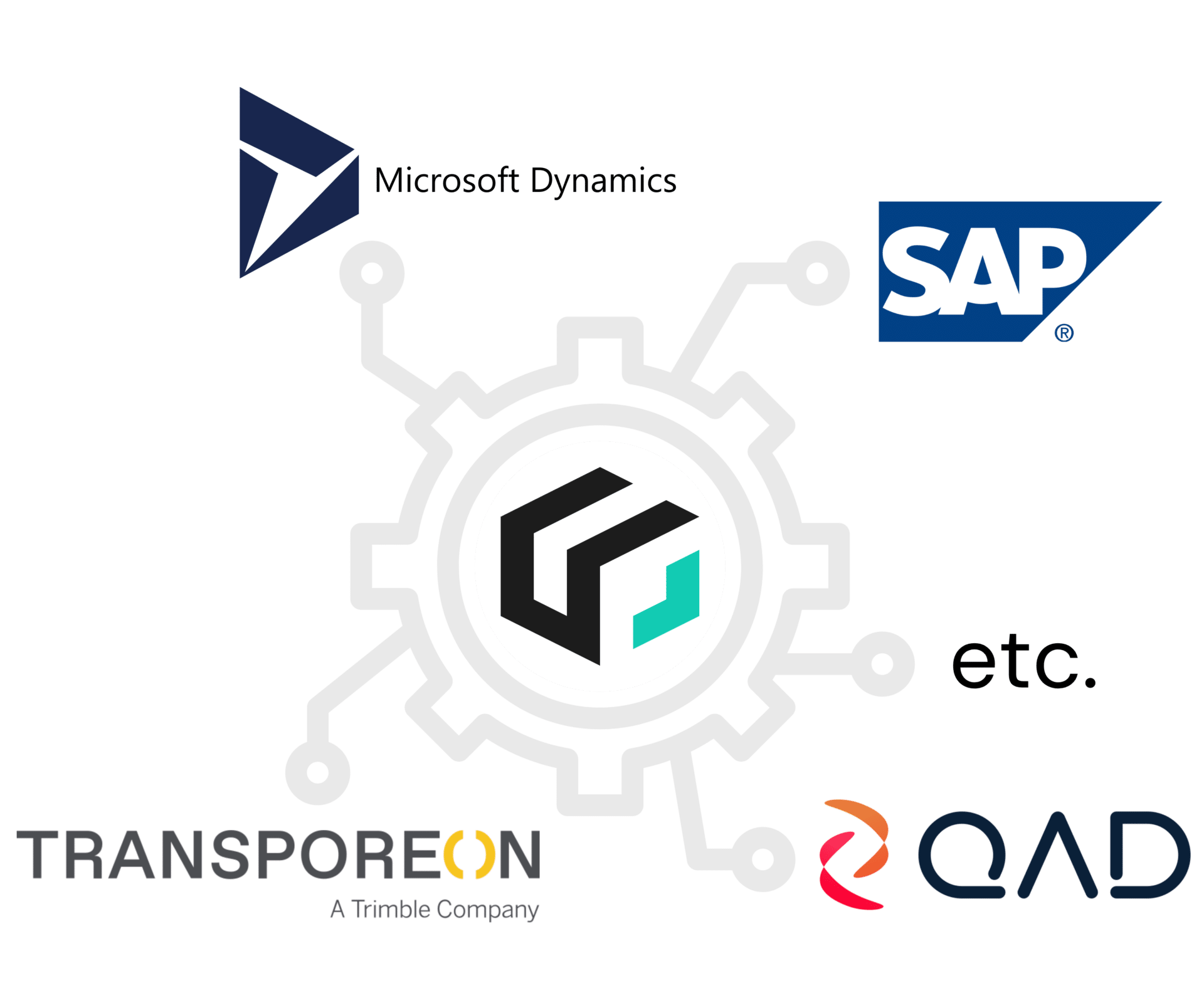
Quick integration with TMS/ERP
Our cloud-based application offers seamless integration, eliminates IT challenges, and uses API/EDI to securely transfer the critical data needed to develop a customized transportation plan for your business. This plan integrates effortlessly into your ERP system, streamlines operational processes, and enhances both the efficiency and cost-effectiveness of your supply chain.
FAQs
How does “route planning” differ from “route and freight rate optimization”?
Route planning focuses on operational feasibility on D-Day: stop sequence, time slots, driving times, ETA/geofencing, ePOD. Route and freight rate optimization addresses rate- and cost-driven route selection and the TCO mix
How do you ensure compliance with driving and rest periods?
The scheduling takes into account, among other things, a daily driving time of 9 hours (max. 10 hours twice a week), 56 hours per week, 90 hours over two weeks, breaks of at least 45 minutes after 4.5 hours, as well as daily and weekly rest periods—ensuring that the routes are legally compliant.
How do you reduce wait times at the loading dock?
Through slot synchronization (gates/shifts/resources), ETA updates, and rescheduling in case of deviations. Industry reports and studies show significant reductions in wait times when slot systems are integrated with route planning.
How does route planning integrate with existing systems?
Order/master data from ERP/TMS, slot calendar/yard, 3D loading sequence from the cargo hold module, return of route, sequence, times, and ePOD.
Contact us
Sign up for a no-obligation preview of our AI software or to discuss transport optimization. We’ll get back to you shortly with relevant information or suggested dates.
Data security in accordance with European standards